In the ever-evolving landscape of global fashion, the title of 'fashion capital' is no longer the exclusive domain of a single city. A new, dynamic quartet—London, New York, Shanghai, and Hong Kong—is shaping the future of style, each contributing a unique voice to a complex, polycentric dialogue. This is not a simple race for supremacy but a fascinating interplay of heritage, innovation, cultural confidence, and commercial acumen. The future of fashion will be written not in one place, but through the connections and competitions between these powerful hubs.
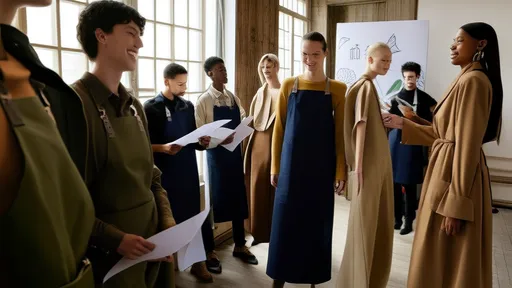
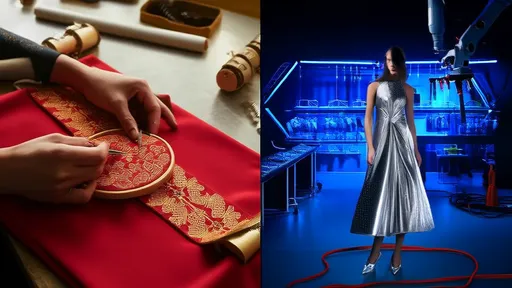
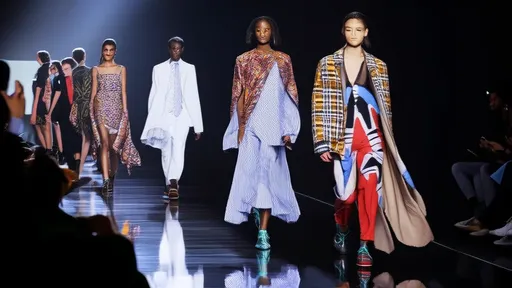
London’s position is built upon a seemingly paradoxical foundation: an unshakeable reverence for tradition and an explosive, rule-breaking avant-garde spirit. On one hand, the city is the custodian of sartorial history, home to Savile Row’s bespoke tailoring, the timeless heritage of brands like Burberry, and the pomp and ceremony of royal fashion that captivates the world. This deep-rooted history provides a stage of immense gravitas. On the other hand, London’s true energy pulses from its world-renowned fashion schools, particularly Central Saint Martins, which acts as a relentless incubator for raw, disruptive talent. Designers like the late Vivienne Westwood, Alexander McQueen, and more recent graduates consistently challenge conventions, pushing boundaries of form, material, and concept. London Fashion Week has become a must-see event not for polished commerciality, but for its thrilling unpredictability and its role as a launchpad for the next big thing. The city’s strength lies in this very tension—the constant creative friction between its impeccable past and its wildly imaginative future.
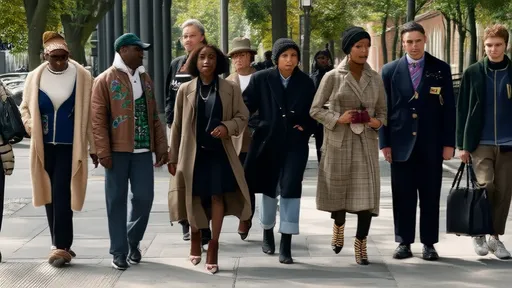
Across the Atlantic, New York embodies a different kind of power: the power of the market. If London is the laboratory, New York is the global showroom. American fashion is fundamentally linked to pragmatism, wearability, and a certain democratic ease. The ethos of ready-to-wear was perfected here, with designers like Ralph Lauren building empires on the mythologies of American lifestyle—preppy, Western, athletic. New York Fashion Week is a colossal commercial machine, a tightly scheduled spectacle of celebrity-fronted shows and billion-dollar business deals. It is the gateway to the vast North American consumer market and a critical barometer for retail success worldwide. The city’s fashion scene is intensely media-driven, with a powerful ecosystem of magazines, influencers, and stylists that can anoint a trend overnight. However, New York faces the challenge of balancing its commercial imperative with creative innovation. In recent years, there has been a conscious effort to embrace more diverse and emerging designers, ensuring that its voice remains relevant not just as a commercial hub, but as a creative force.
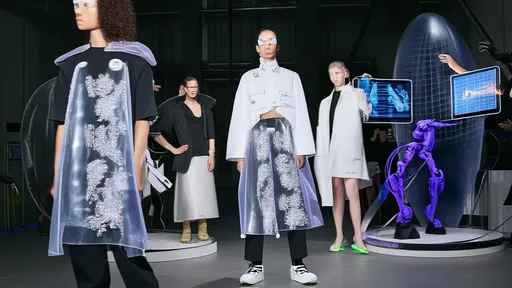
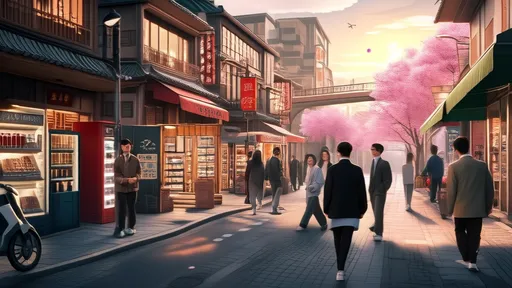
Meanwhile, in the East, a seismic shift is underway, led by the meteoric rise of Shanghai. The city represents the new frontier, a symbol of China’s burgeoning cultural confidence and its immense economic might. Shanghai’s fashion scene is young, fast, and digitally native. It operates at a pace that can dizzy Western observers, fueled by a generation of consumers who are digitally savvy, brand-literate, and fiercely proud of their Chinese identity. This has given rise to a vibrant local designer scene that cleverly blends global trends with distinct Chinese aesthetic codes, historical references, and symbolism. Shanghai Fashion Week has rapidly grown in prestige, becoming a key platform for these homegrown talents to reach both domestic and international audiences. Furthermore, Shanghai’s integration of technology into fashion is unparalleled. From live-streamed shopping events that generate billions in sales to experiments with digital fashion and the metaverse, the city is scripting the future of how fashion is consumed and experienced. Its ambition is not just to participate in the global conversation but to lead it on its own terms.
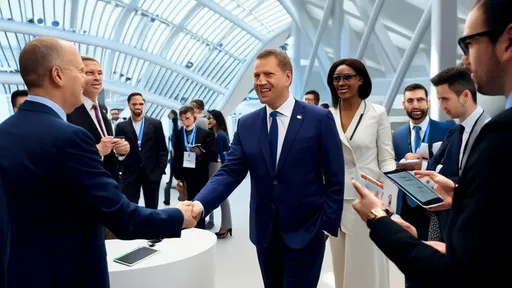
Hong Kong, long celebrated as a crucial gateway between East and West, now navigates a more complex role. Its historical strength has been its internationalism, its free-flowing capital, and its status as a luxury retail paradise. For decades, it served as the regional headquarters for virtually every major global luxury house and was the shopping destination for mainland Chinese consumers. The city boasts a sophisticated infrastructure, a deep understanding of international markets, and a unique cultural blend. However, in the face of Shanghai’s ascent and shifting geopolitical tides, Hong Kong is being forced to reinvent itself. The focus is shifting from being purely a commercial conduit to developing a more distinctive creative identity. There is growing support for local designers who reflect Hong Kong’s unique hybrid culture, and efforts are being made to position the city as a hub for fashion technology and sustainable innovation. The question for Hong Kong is whether it can leverage its formidable strengths to carve out a new niche as a nexus for creative and commercial innovation, rather than just a luxurious marketplace.
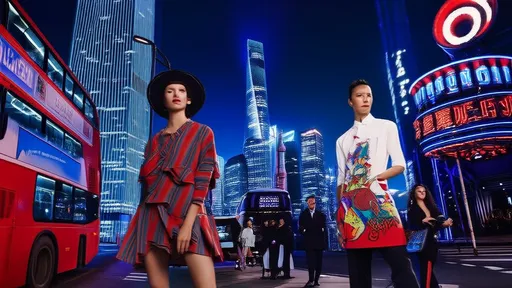
The competition among these four cities is not a zero-sum game. Instead, it creates a dynamic ecosystem of influence and exchange. London’s rebellious designers find commercial scale in New York. New York’s luxury brands look to Shanghai to understand the future of retail and digital engagement. Shanghai’s homegrown brands eye Hong Kong’s international platform for global expansion. And all of them draw inspiration from each other’s unique cultural contexts. This interconnectedness means that trends are no longer trickling down from a single source but emerging simultaneously from multiple nodes, creating a richer, more diverse global fashion language.
Ultimately, the concept of a singular fashion capital is becoming obsolete. The future belongs to a network of influential cities, each with a specialized role. London will likely remain the unrivaled center of creative education and avant-garde experimentation. New York will continue to dominate as the engine of commerce and media. Shanghai is poised to become the leader in defining the future of consumer engagement and integrating technology with fashion. Hong Kong’s success will depend on its ability to agilely reposition itself as a vital link and innovator within this network. The most exciting developments will occur in the spaces between them—in the collaborations, the rivalries, and the constant flow of ideas. The future of fashion is a dialogue, and London, New York, Shanghai, and Hong Kong are its most compelling voices.
By /Sep 23, 2025
By /Sep 23, 2025
By /Sep 23, 2025
By /Sep 23, 2025
By /Sep 23, 2025
By /Sep 23, 2025
By /Sep 23, 2025
By /Sep 23, 2025

By /Sep 23, 2025
By /Sep 23, 2025
By /Sep 23, 2025
By /Sep 23, 2025
By /Sep 23, 2025

By /Sep 23, 2025

By /Sep 23, 2025
By /Sep 23, 2025
By /Sep 23, 2025
By /Sep 23, 2025
By /Sep 23, 2025

By /Sep 23, 2025