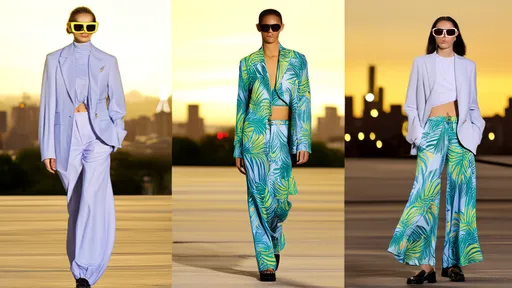
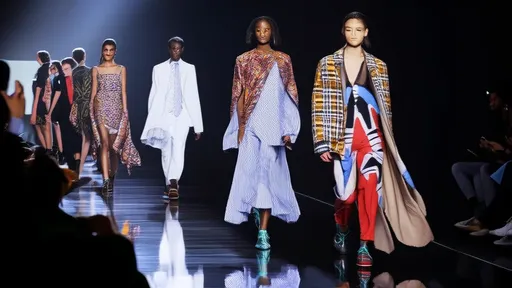
From the shimmering runways of Paris to the sun-drenched sidewalks of Los Angeles, the journey of a fashion trend is a fascinating study in cultural osmosis. It’s a process that once took seasons, even years, to complete. Today, that timeline has collapsed. The distance between the avant-garde creations unveiled in a designer’s show and their interpretation on a city street has shrunk to a matter of weeks, sometimes days. This rapid-fire transmission of style is the defining characteristic of contemporary fashion, a phenomenon driven by a complex interplay of technology, celebrity, and a fundamental shift in how we define inspiration itself.
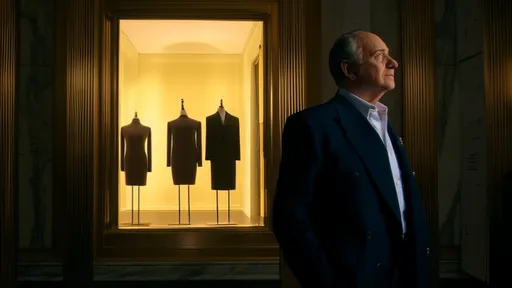
In the not-so-distant past, the fashion cycle was a meticulously controlled, top-down affair. Design houses presented their collections to a select audience of buyers and editors months before the clothes were intended to hit the sales floor. Magazines, with their lead times and editorial calendars, acted as the primary gatekeepers, filtering these high-concept visions for the masses. The public’s first glimpse of a new trend was often a polished photograph in a monthly publication, a staged image that created a sense of aspiration and distance. The runway was a distant galaxy, its stars—the models and the clothes—observable only through the powerful telescope of media intermediaries. This slow drip of information created a clear hierarchy: the designer as creator, the editor as curator, and the consumer as a patient recipient.
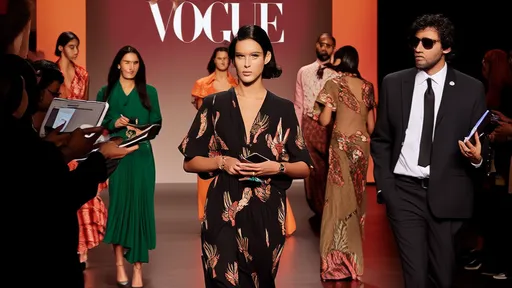
The digital revolution shattered this model. The first seismic shift was the live-streaming of fashion shows. Suddenly, anyone with an internet connection could have a front-row seat to the spectacle in Milan or New York, in real-time. The mystique and exclusivity were punctured, replaced by immediate, global access. This instant visibility was the catalyst. No longer did the public have to wait for a magazine’s interpretation; they could see the raw, unfiltered creativity for themselves and begin forming their own opinions instantly. This democratization of access was the essential first step in accelerating the entire cycle. The runway was no longer a distant galaxy; it was a video feed on your phone.
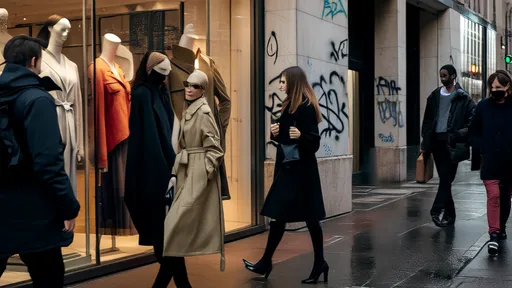
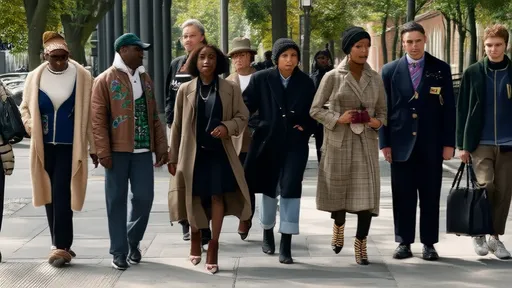
If live-streams provided the initial spark, social media poured gasoline on the fire. Platforms like Instagram, TikTok, and Pinterest became the new epicenters of fashion dissemination, functioning as a global, real-time mood board. Street style photographers, once peripheral figures, became influencers in their own right, capturing the outfits of editors, celebrities, and stylish attendees outside the shows. These images, often more relatable and immediately wearable than the theatrical looks on the catwalk, spread across the globe in minutes. A particular bag, a unique pairing of colors, or a specific type of shoe worn by a fashion insider in Paris could become a viral sensation by lunchtime. This immediate feedback loop—from runway to street style to smartphone screen—bypassed traditional media entirely, creating a direct pipeline of inspiration.
This new ecosystem gave rise to the most powerful accelerant of all: the influencer and the celebrity. When a major pop star is photographed wearing a deconstructed blazer straight from a runway show days after its debut, the effect is instantaneous. Their millions of followers don’t just see a garment; they see a story, an identity, a desirable lifestyle attached to it. This phenomenon, often called the "see-now-buy-now" effect, creates immense demand overnight. Fashion brands have become adept at leveraging this power, often seeding products directly to high-profile individuals to ensure maximum visibility. The celebrity stylist is now as influential as any magazine editor, their choices dissected and emulated by a global audience eager to capture a piece of that glamour.
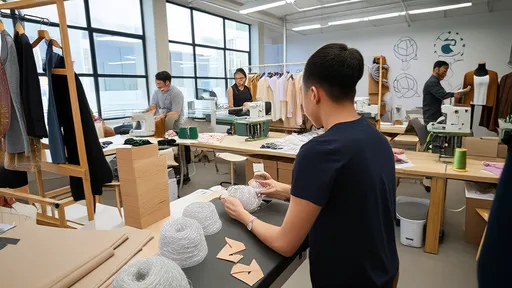
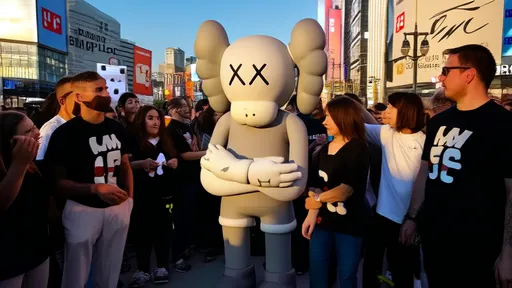
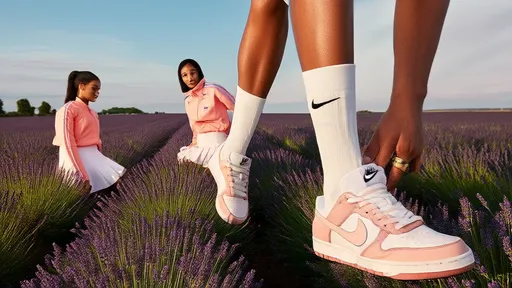
Responding to this unprecedented speed, the industry itself has had to adapt. The traditional seasonal calendar, with its long lead times, began to feel archaic. In its place, we see the rise of fast fashion and a renewed emphasis on capsule collections and collaborations. Fast-fashion retailers, with their agile supply chains, can produce remarkably accurate interpretations of runway trends at an accessible price point within weeks. This allows the everyday consumer to participate in the trend cycle without the luxury price tag or the wait. Simultaneously, luxury brands have embraced drop culture and collaborations with streetwear labels or artists, creating limited-edition collections that generate frenzy and mimic the immediacy of the digital world. These strategies keep the brands relevant in a conversation that moves at the speed of a Twitter feed.
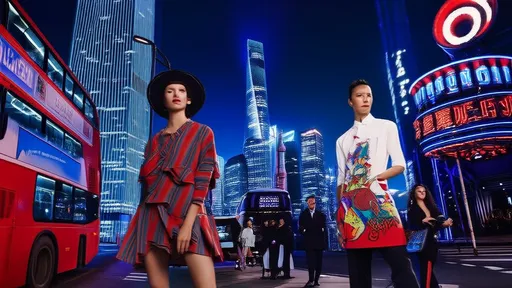
Perhaps the most significant change, however, is not in the industry's mechanics but in the mindset of the consumer. The contemporary fashion enthusiast is no longer a passive recipient but an active participant, a curator of their own aesthetic. The endless scroll of social media provides a constant stream of inspiration, not just from runways but from peers across the globe. This has led to the death of a single, monolithic trend. Instead, we live in an era of micro-trends and personal style. Someone might combine a silhouette inspired by a Bottega Veneta show with vintage denim and sneakers championed by a Korean pop band, creating a unique synthesis. The runway provides the vocabulary, but the individual writes the sentence. The inspiration is less about copying a head-to-toe look and more about absorbing an idea—a color palette, a texture, a feeling—and integrating it into a personal wardrobe narrative.
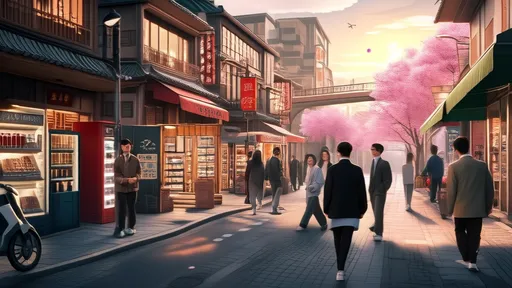
The journey from the catwalk to the curb is now a high-speed chase, a dynamic and often chaotic process that reflects our hyper-connected world. The barriers that once separated high fashion from everyday dress have been effectively demolished. What remains is a fluid, continuous dialogue between the creators of culture and its participants. The speed may be dizzying, but it has also fostered a unprecedented level of creativity and individual expression. The street, in many ways, has become the most exciting runway of all, a constantly evolving showcase of how global inspiration is instantly translated into personal identity.
By /Sep 23, 2025
By /Sep 23, 2025
By /Sep 23, 2025
By /Sep 23, 2025
By /Sep 23, 2025
By /Sep 23, 2025
By /Sep 23, 2025
By /Sep 23, 2025
By /Sep 23, 2025
By /Sep 23, 2025
By /Sep 23, 2025
By /Sep 23, 2025
By /Sep 23, 2025
By /Sep 23, 2025
By /Sep 23, 2025
By /Sep 23, 2025
By /Sep 23, 2025
By /Sep 23, 2025
By /Sep 23, 2025
By /Sep 23, 2025