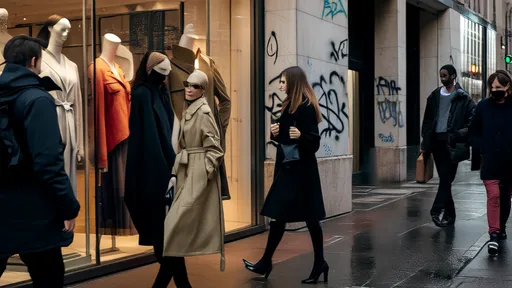
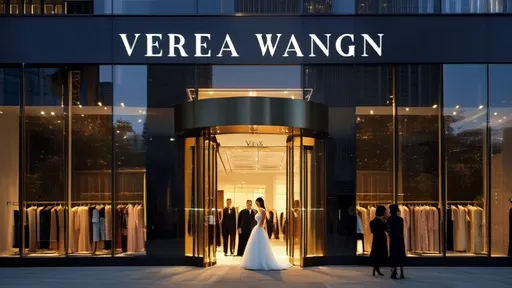
Fashion has always been more than just fabric and thread; it is a language without words, a silent proclamation of who we are or who we aspire to be. For centuries, its definition was largely confined to the practical and the aesthetic—a matter of what to wear for protection, status, or mere decoration. The discourse was dominated by tailors, monarchs, and later, designers who dictated hemlines and silhouettes from on high. Clothing was an external uniform, often signifying one's place in a rigid social hierarchy. To be fashionable was to adhere to a prescribed code, a set of rules about appropriateness and beauty defined by a privileged few.
This traditional understanding, however, has undergone a radical and profound transformation. The 20th century, with its whirlwind of social, cultural, and technological revolutions, began to fracture this top-down model. The rise of youth culture, the feminist movement, and various counter-cultural waves turned fashion into a battleground for identity. No longer was it simply about looking a certain way; it became a powerful tool for self-expression and rebellion. The punk movement didn't just wear safety pins and torn clothing; it used them as a middle finger to the establishment. The flappers of the 1920s didn't just shorten their skirts; they declared their independence. Fashion was shedding its skin, evolving from a passive act of consumption into an active, often political, statement.
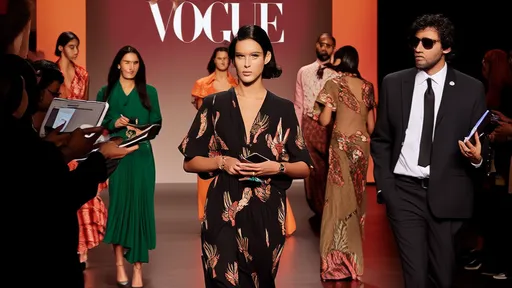
The digital age has accelerated this shift to a dizzying degree, fundamentally altering the relationship between the individual and their sartorial choices. The internet, and social media in particular, has democratized fashion in an unprecedented way. The gatekeepers—the magazine editors, the runway critics—have seen their influence diluted by a global network of influencers, bloggers, and everyday individuals curating their personal style online. Platforms like Instagram, TikTok, and Pinterest are not just showcases; they are vast, interactive arenas where identity is continuously performed, constructed, and refined. The question is no longer "What is in fashion?" but rather "What does my fashion say about me?"
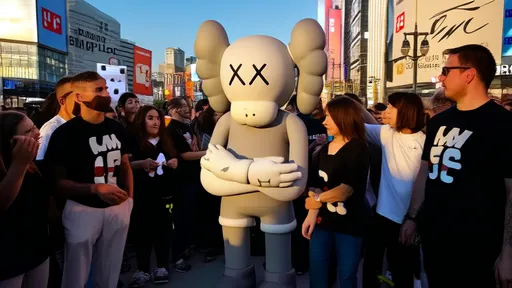
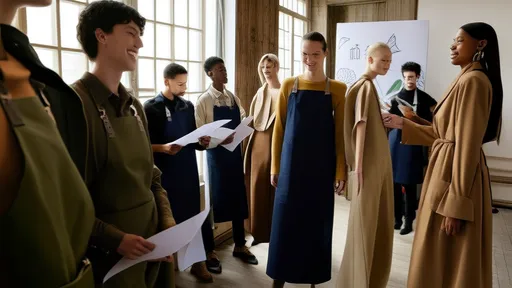
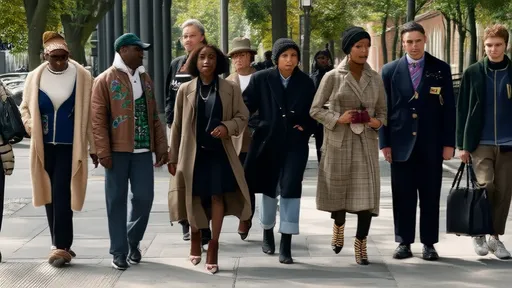
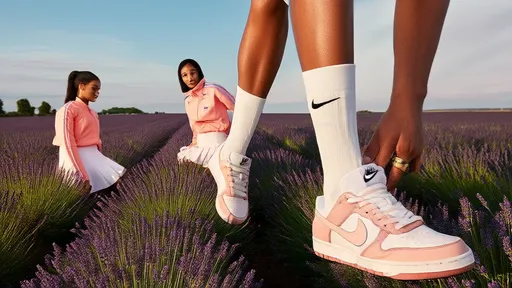
This new paradigm has given birth to the concept of identity fashion. Today, what we choose to wear is intimately tied to signaling our values, our affiliations, and our inner worlds. It’s a visual shorthand for our identity. We see this in the rise of niche aesthetics—cottagecore, dark academia, gorpcore—each representing not just a set of garments but an entire lifestyle and worldview. People use fashion to align themselves with specific communities, whether based on shared political beliefs, environmental consciousness, or subcultural tastes. Wearing vintage clothing can signal a commitment to sustainability. Sporting a brand known for its ethical labor practices becomes a declaration of one's values. The logo on a t-shirt is less about luxury and more about tribal belonging.
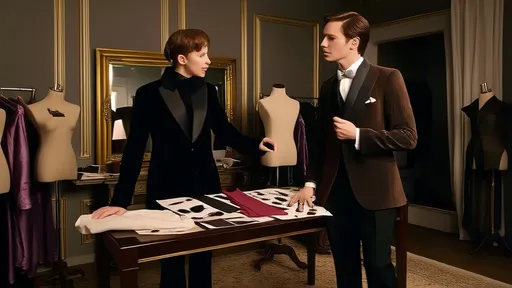
Furthermore, fashion has become a critical medium for exploring and expressing complex facets of personal identity, particularly concerning gender and sexuality. The rigid boundaries of "menswear" and "womenswear" are being systematically dismantled by designers and consumers alike. The androgynous suit, the delicate dress on a male-presenting body, the fluidity of silhouettes—all challenge traditional norms and open up new possibilities for self-definition. For many in the LGBTQ+ community, fashion is an essential tool in the journey of coming out and living authentically. It allows for the external manifestation of an internal truth, a way to communicate one's identity to the world before a single word is spoken.
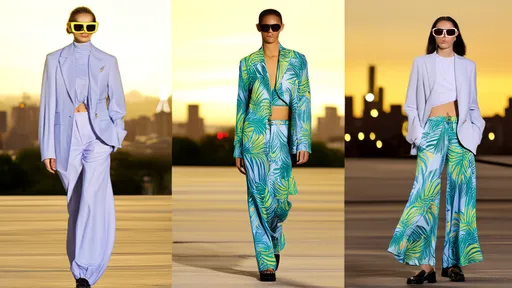
This hyper-individualistic approach has also reshaped the industry's economic model. The era of monolithic seasonal trends is waning. While trends still emerge with lightning speed online, they are often micro-targeted and short-lived. The real driving force is personalization. Consumers are no longer satisfied with being walking mannequins for a designer's vision; they seek pieces that can be incorporated into their unique personal narrative. This has fueled the growth of customization services, the rise of small, independent brands with strong ethical stories, and the massive secondhand market, where individuals can piece together a one-of-a-kind wardrobe that defies easy categorization.
However, this evolution towards fashion as identity is not without its paradoxes and pressures. The very tools that enable self-expression can also foster a new kind of conformity. The relentless pace of micro-trends, driven by social media algorithms, can create an anxiety to constantly reinvent one's digital persona. The pressure to have a "signature style" or to perfectly curate an aesthetic can be as stifling as the old edicts from Parisian fashion houses. In the quest to express a unique identity, one can ironically become enslaved to the approval of an online audience, measuring self-worth in likes and shares.
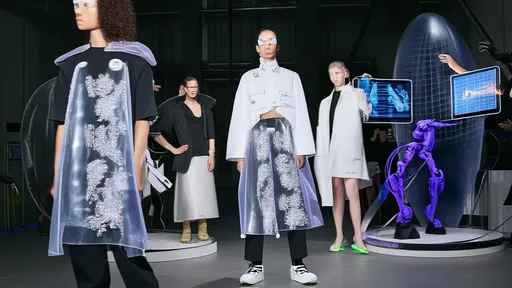
Looking ahead, the definition of fashion will continue to be fluid, inextricably linked to our evolving understanding of self. As technology advances, we are already seeing the emergence of digital fashion—unique garments for online avatars in virtual worlds—pushing the boundaries of identity expression beyond the physical realm. The conversation is expanding to encompass not just what we wear, but the data our style choices generate and the digital footprints we leave behind.
Ultimately, the journey of fashion from "what to wear" to "who I am" marks a significant cultural shift. It reflects a world where individuality is prized and identity is seen as something to be actively created and communicated. Clothing has transcended its functional origins to become a canvas for the soul, a dynamic and deeply personal project of self-creation. In this new landscape, we are all the authors of our own style story, using the language of fashion to tell the world, quite literally, who we are.
By /Sep 23, 2025
By /Sep 23, 2025
By /Sep 23, 2025
By /Sep 23, 2025
By /Sep 23, 2025
By /Sep 23, 2025
By /Sep 23, 2025
By /Sep 23, 2025

By /Sep 23, 2025
By /Sep 23, 2025
By /Sep 23, 2025
By /Sep 23, 2025
By /Sep 23, 2025

By /Sep 23, 2025

By /Sep 23, 2025
By /Sep 23, 2025
By /Sep 23, 2025
By /Sep 23, 2025
By /Sep 23, 2025
By /Sep 23, 2025