In the sprawling urban landscapes of Shanghai, Beijing, and Shenzhen, a quiet yet profound revolution is reshaping the contours of Chinese consumerism. The familiar narrative of a market voraciously consuming global luxury brands is being rewritten, not through rejection, but through a sophisticated synthesis. The new Chinese consumer is an alchemist, blending a deep-seated appreciation for heritage with a forward-looking embrace of health, authenticity, and personal expression. This evolution is most vividly illustrated by the powerful convergence of three dominant trends: a holistic approach to lifestyle, the mainstreaming of athletic culture, and the confident resurgence of homegrown "Guochao" brands.
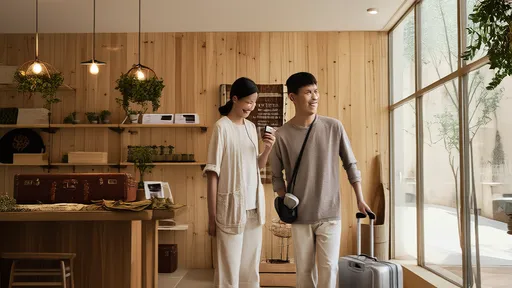
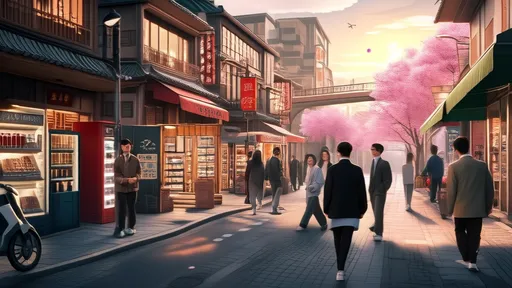
The concept of lifestyle in China has transcended its Western connotations of interior decoration or leisurely pursuits. It has morphed into a comprehensive philosophy governing daily existence. For the burgeoning middle and upper-middle classes, particularly among millennials and Gen Z, lifestyle is about curated well-being. This extends far beyond material possessions to encompass physical health, mental equilibrium, and social identity. The morning ritual no longer just involves a quick breakfast; it might include a session of mindfulness meditation guided by a popular app, a carefully crafted smoothie bowl shared on Xiaohongshu (Little Red Book), and an outfit chosen not just for style but for comfort and functionality. This holistic view has created fertile ground for brands that promise an integrated experience. Coffee chains are no longer mere purveyors of caffeine but "third spaces" for work and socializing, while bookstores integrate cafes, lecture halls, and handicraft workshops. Consumers are investing in high-quality air purifiers, ergonomic furniture, and smart home devices not as luxuries, but as essential components of a healthier, more efficient living environment. This shift signifies a move from conspicuous consumption to conscientious living, where value is measured in quality of life and personal fulfillment.
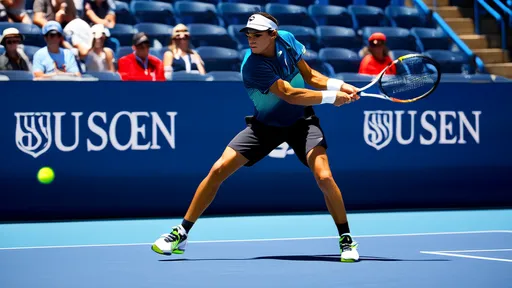
Integral to this lifestyle evolution is the seamless integration of athleticism and运动风 (yùn dòng fēng - sporty style) into the very fabric of urban life. The notion of sport as a scheduled, high-intensity activity is giving way to a more fluid, everyday practice. The government's public health initiatives, coupled with growing health consciousness post-pandemic, have catalyzed this change. However, the driving force is cultural. Sport has become a social currency and a marker of a modern, aspirational identity. Weekends see city parks filled with people of all ages engaged in running, cycling, and frisbee, while badminton courts and climbing gyms are booked solid. This is not merely about exercise; it is a social event, a way to connect with friends, and a subject for social media content.
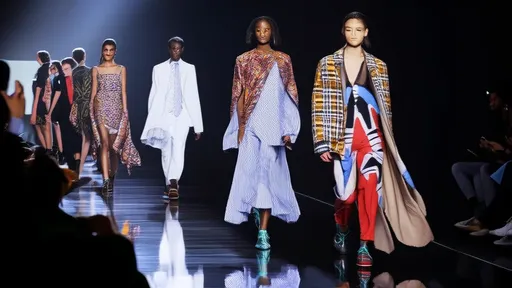
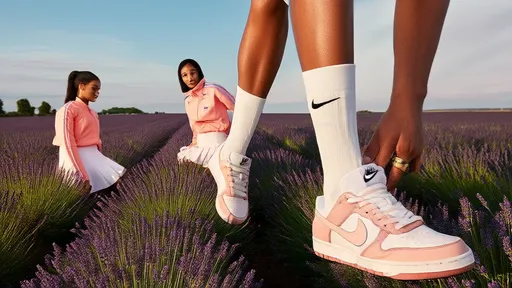
This normalization of athletic activity has, in turn, fundamentally altered fashion norms. Athleisure is no longer a niche category but a dominant wardrobe staple. The distinction between gym wear and streetwear has blurred to the point of irrelevance. It is now perfectly acceptable, even fashionable, to wear performance leggings, technical sneakers, and a breathable jacket to the office, for a casual lunch, or even to a gallery opening. This demand for versatility has propelled the growth of sportswear giants, but more importantly, it has created an expectation for technical performance coupled with aesthetic design. Consumers are discerning; they understand materials like Gore-Tex and Primeknit, and they expect their apparel to be as stylish as it is functional. This environment is a perfect incubator for local brands that can quickly adapt to these nuanced demands.
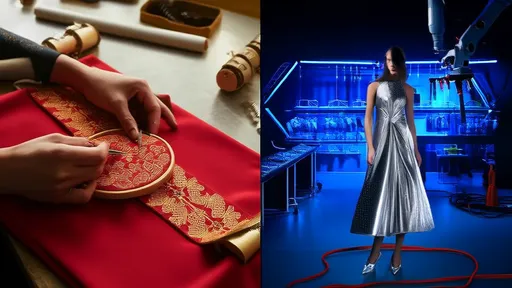
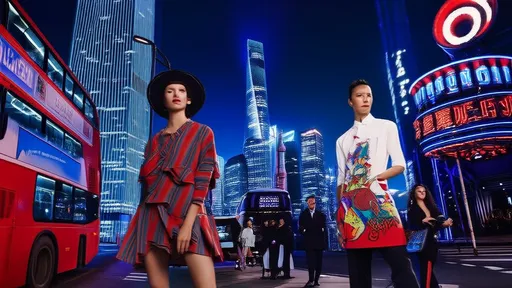
Perhaps the most significant development in recent years is the meteoric rise of 国潮 (Guócháo - "National Trend" or "China Chic"). This is far more than a patriotic shopping spree; it is a profound cultural confidence. Chinese consumers, especially the younger generations who have grown up in a globally connected and economically powerful China, no longer view international brands as inherently superior. Instead, they are looking inwards, rediscovering and reimagining their own cultural heritage. Guochao represents a modern reinterpretation of Chinese aesthetics, craftsmanship, and symbolism. We see this in fashion where designers incorporate traditional elements like Mandarin collars, intricate embroidery inspired by ancient art, and patterns from porcelain or ink wash paintings into contemporary silhouettes. Brands like Li-Ning, which faced decline in the early 2000s, have been resurrected as high-fashion contenders by leveraging its national identity with bold, modern designs that resonate deeply with a proud youth.
The success of Guochao hinges on its authenticity and narrative depth. It is not about slapping a dragon motif on a t-shirt; it is about weaving a story that connects the product to a rich cultural past. Beauty brands are formulating products with ingredients from Traditional Chinese Medicine, such as ginseng and goji berry, but with cutting-edge scientific backing. Beverage companies like Heytea have won over consumers with innovative flavors and aesthetically pleasing stores that often reference Chinese garden design. This trend is amplified by a powerful digital ecosystem. On platforms like Douyin (TikTok) and Bilibili, Key Opinion Leaders (KOLs) and everyday users passionately dissect the cultural references in Guochao products, creating a groundswell of organic support that no amount of traditional advertising can buy.
The most compelling story, however, lies in the intersection of these three trends. They are not parallel streams but tributaries feeding a powerful new current in the consumer landscape. A young professional's typical day exemplifies this fusion. She might start her morning with a workout in attire from a local Guochao activewear brand that uses sustainable fabrics and features subtle design nods to Tang Dynasty art. For lunch, she chooses a "light meal" delivery from a health-focused brand that emphasizes fresh, local ingredients—a concept aligned with both lifestyle wellness and a Guochao appreciation for natural, authentic foods. In the evening, she meets friends at a trendy tea shop that blends traditional tea ceremonies with a modern, minimalist aesthetic. The handbag she carries could be from a rising Chinese designer whose work is celebrated for its quality and unique cultural perspective.
This synergistic relationship presents a clear blueprint for brands, both domestic and international, aiming to succeed in this new era. The winning formula involves authenticity, quality, and cultural resonance. For local Guochao brands, the challenge is to maintain their cultural integrity while scaling up and ensuring consistent quality to meet rising expectations. For international brands, the imperative is to move beyond a one-size-fits-all global strategy. Success requires a deep, respectful engagement with Chinese culture—perhaps through collaborations with local designers, incorporating Chinese elements in a genuine way, or supporting local communities and sustainability initiatives that align with the consumers' values.
In conclusion, the Chinese consumer market is undergoing a dramatic maturation. The driving forces are no longer just economic growth and aspiration for global symbols, but a more complex and powerful set of desires: for a balanced and healthy lifestyle, for versatile and performance-driven products, and for a sense of identity rooted in a proud and re-emerging cultural heritage. The lines between lifestyle,运动风, and国潮 have blurred, creating a dynamic and sophisticated consumer who values experience, narrative, and authenticity above all else. This is not a fleeting trend but a fundamental reset, signaling the arrival of a new, confident, and discerning chapter in global consumer culture, led from the East.
By /Sep 23, 2025

By /Sep 23, 2025
By /Sep 23, 2025
By /Sep 23, 2025
By /Sep 23, 2025

By /Sep 23, 2025

By /Sep 23, 2025
By /Sep 23, 2025

By /Sep 23, 2025
By /Sep 23, 2025
By /Sep 23, 2025
By /Sep 23, 2025
By /Sep 23, 2025
By /Sep 23, 2025
By /Sep 23, 2025
By /Sep 23, 2025
By /Sep 23, 2025
By /Sep 23, 2025
By /Sep 23, 2025
By /Sep 23, 2025